Understanding the Process of Interpol Red Notice Removal
The process of Interpol red notice removal Interpol Red Notice Removal can be complex and challenging. Many individuals caught in the web of international law encounter significant difficulties when faced with the issuance of a Red Notice against them. This article aims to shed light on what a Red Notice is, the implications it carries, and the steps one can take for its removal.
What is an Interpol Red Notice?
An Interpol Red Notice is a request to law enforcement worldwide to locate and provisionally arrest an individual pending extradition, surrender, or similar legal action. It is important to note that a Red Notice is not an international arrest warrant. Instead, it is a tool used by Interpol to assist member countries in their efforts to apprehend fugitives and wanted persons.
Why Would Someone Want to Remove a Red Notice?
There are several reasons why a person might seek to have a Red Notice removed. These reasons include:
- False Accusations: Individuals who are wrongfully accused of crimes may find themselves facing a Red Notice without having committed any offense.
- Political Motivation: Some Red Notices are issued for political reasons, targeting individuals who may have opposed a government or regime.
- Legal Errors: Mistakes in legal proceedings, such as extradition requests based on incomplete or incorrect information, can lead to unwarranted Red Notices.
- Personal and Professional Consequences: A Red Notice can severely impact an individual’s life, including their career, personal relationships, and freedom of movement.
The Process of Removal
The process of removing a Red Notice involves legal and procedural steps that must be taken carefully:
Step 1: Analyze the Grounds for the Notice
The first step in the removal process is to analyze the grounds for the Red Notice. This involves understanding why the notice was issued and the specific allegations that led to it. An experienced legal team can assist in this analysis to ensure that all relevant information is considered.
Step 2: Gather Evidence
Once the grounds have been established, it is vital to gather evidence that supports the case for removal. This evidence can include witness statements, documentation disproving the charges, and legal provisions that may invalidate the notice.
Step 3: Legal Representation
Engaging a legal professional with experience in international law and Interpol procedures is crucial. They can provide guidance on the best approach, prepare necessary legal documentation, and represent the individual in communication with Interpol and other relevant authorities.
Step 4: Submit the Request for Removal
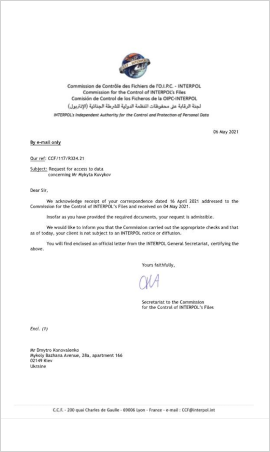
The formal request for removal is submitted to the Commission for the Control of Interpol’s Files (CCF). This request needs to detail why the Red Notice should be lifted, citing appropriate legal bases and supporting documentation.
Step 5: Awaiting the Decision
The CCF will review the submission and make a decision. This process can take several months, depending on the complexity of the case and the backlog at Interpol. During this period, it is critical to maintain a proactive communication strategy with legal counsel to address any additional requests or questions from the CCF.
Challenges in the Removal Process
Individuals facing the removal of a Red Notice often encounter several challenges:
- Legal Complexity: The intersection of international and domestic law can make the removal process complicated and confusing.
- Emotional Stress: The uncertainty and stigma associated with a Red Notice can lead to significant emotional distress.
- Public Perception: Depending on the nature of the allegations, public perception can be damaging, further complicating efforts for personal and professional rehabilitation.
Case Studies
Understanding real-life examples can provide insight into the nuances of the removal process. Various cases highlight different aspects of the proceedings:
Case Study 1: Wrongful Accusations
In one instance, an individual was the victim of a false accusation leading to an Interpol Red Notice. With solid evidence demonstrating their innocence, they were able to work with experienced international lawyers who successfully navigated the removal process, resulting in the immediate lifting of the notice.
Case Study 2: Political Motivations
A political dissident faced a Red Notice that was perceived as a means to silence opposition. By providing documentation and international support, their legal team successfully argued for the removal based on the political nature of the accusations.
Conclusion
The removal of an Interpol Red Notice is a critical process that requires thorough understanding, strategic planning, and expert legal representation. Each case is unique and may involve navigating complex legal waters, but with the right approach, it is possible to successfully lift a Red Notice and restore an individual’s freedom and reputation.
Further Resources
For those interested in learning more about the intricacies of Interpol procedures and how to navigate legal challenges associated with these notices, it is advisable to consult resources such as legal professionals specializing in international law and organizations that focus on civil rights and personal freedoms.
Autor: SuperGlob