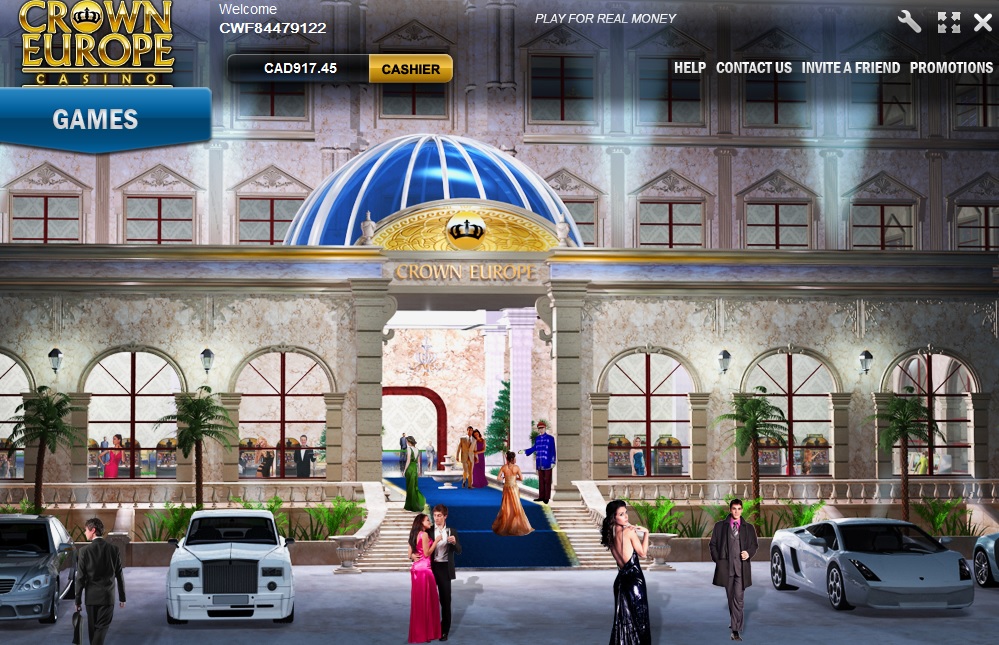
The Evolution of European Casinos: A Journey Through Time
European casinos have long been synonymous with luxury, entertainment, and high-stakes gambling. From the opulent halls of Monte Carlo to the modern online platforms that cater to millions, the landscape of gambling in Europe is both rich and diverse. In this article, we will explore the history of European Casinos european casinos, the evolution of their design and offerings, and how they continue to adapt in the digital age.
History and Origins
The concept of gambling can be traced back to ancient civilizations, but the modern casino as we know it began to take shape in the 17th century. The first official casino was established in Venice, Italy, in 1638. Known as the Ridotto, it served as a government-sanctioned gambling hall, aimed at controlling the gambling craze that was sweeping the city. This establishment marked the beginning of organized gambling in Europe.
Throughout the 18th and 19th centuries, more casinos began to emerge. France became a hub for gambling, with the establishment of iconic places like the Casino de Paris and the Casino of Monte Carlo, which opened in 1863. These venues set the standard for luxury and sophistication, combining entertainment with opulence, creating an experience that went beyond mere gambling.
The Golden Age of Gambling
The late 19th and early 20th centuries are often referred to as the golden age of gambling in Europe. During this time, gaming houses flourished, drawing in aristocrats and wealthy travelers. The glamour of gambling was heavily influenced by the social dynamics of the time, with the wealthy elite mingling and enjoying the thrill of games like baccarat, roulette, and chemin de fer.
One interesting aspect of this era was the role of women in casinos. While gambling was predominantly a male domain, women began to carve out their space within this world. The emergence of glamorous female croupiers and casino hosts helped to change perceptions and make casinos more appealing to a broader audience.

Modern Developments in European Casinos
As the world entered the modern era after the Second World War, European casinos faced new challenges and opportunities. The introduction of technology transformed the gambling landscape significantly. Slot machines became a staple in casinos, offering a simpler yet exciting way to play, catering to those who may not have understood complex table games.
In recent years, the rise of online gambling platforms has revolutionized the industry further. European countries have embraced digital casinos, with regulations that ensure player safety and responsible gambling. Online casinos provide convenience and accessibility, allowing players to enjoy their favorite games from the comfort of their homes.
Notable European Casinos Today
Today, Europe is home to some of the most prestigious and renowned casinos in the world. Here are a few noteworthy establishments:
- Casino de Monte-Carlo: Perhaps the most famous casino in the world, located in Monaco, it stands as a symbol of glamour and wealth. Its stunning architecture and rich history attract high-rollers and tourists alike.
- Casino Baden-Baden: Located in Germany, this casino is known for its beautiful design and luxurious atmosphere. It has hosted many notable guests over the years, including European royalty.
- The Ritz Club: London’s Ritz Club is an exclusive venue featuring luxurious décor and high-stakes gaming. It’s known for its rich history and as a favored spot for celebrities and socialites.
- Casino Lisboa: Located in Portugal, this casino is one of the largest in Europe, featuring a diverse array of gaming options and entertainment venues. Its modern design and vibrant atmosphere make it a must-visit destination.
Trends in the Industry
As we move further into the 21st century, several trends are shaping the future of European casinos:
1. Integration of Technology
The integration of advanced technology is changing how casinos operate. From cashless transactions to virtual reality gaming experiences, the use of innovative technology is enhancing the overall player experience.
2. Focus on Customer Experience
Modern casinos place a significant emphasis on customer experience, offering personalized services, unique events, and high-quality dining options that go beyond traditional gaming. The aim is to create a holistic entertainment experience that caters to a wide audience.
3. Responsible Gambling Initiatives
As the gaming industry evolves, so does the focus on responsible gambling. Many European casinos are implementing programs and technologies to promote safe and responsible gaming practices, ensuring player well-being.
The Future of European Casinos
The future looks bright for European casinos as they continue to adapt to changing landscapes. With the ongoing advancements in technology, the rise of online platforms, and a renewed focus on customer experience, casinos are positioning themselves to remain relevant in an ever-evolving market.
Moreover, as European nations continue to regulate the online gambling industry, we can expect more casinos to embrace a hybrid model that integrates both physical and online gaming. This will allow them to reach a broader audience, catering to the preferences of both traditional and modern players.
Conclusion
European casinos hold a significant place in the history of gambling, evolving from lavish establishments appealing to the aristocracy to modern venues that cater to diverse interests and preferences. As they navigate the challenges and opportunities of the digital age, they remain a central part of European culture and entertainment. The future of European casinos promises excitement, innovation, and a continued commitment to providing unparalleled experiences for players across the continent.
Autor: SuperGlob